The Practice of Lovingkindness
Extending Healing and Wholeness to All
Reflection By Robbin Brent
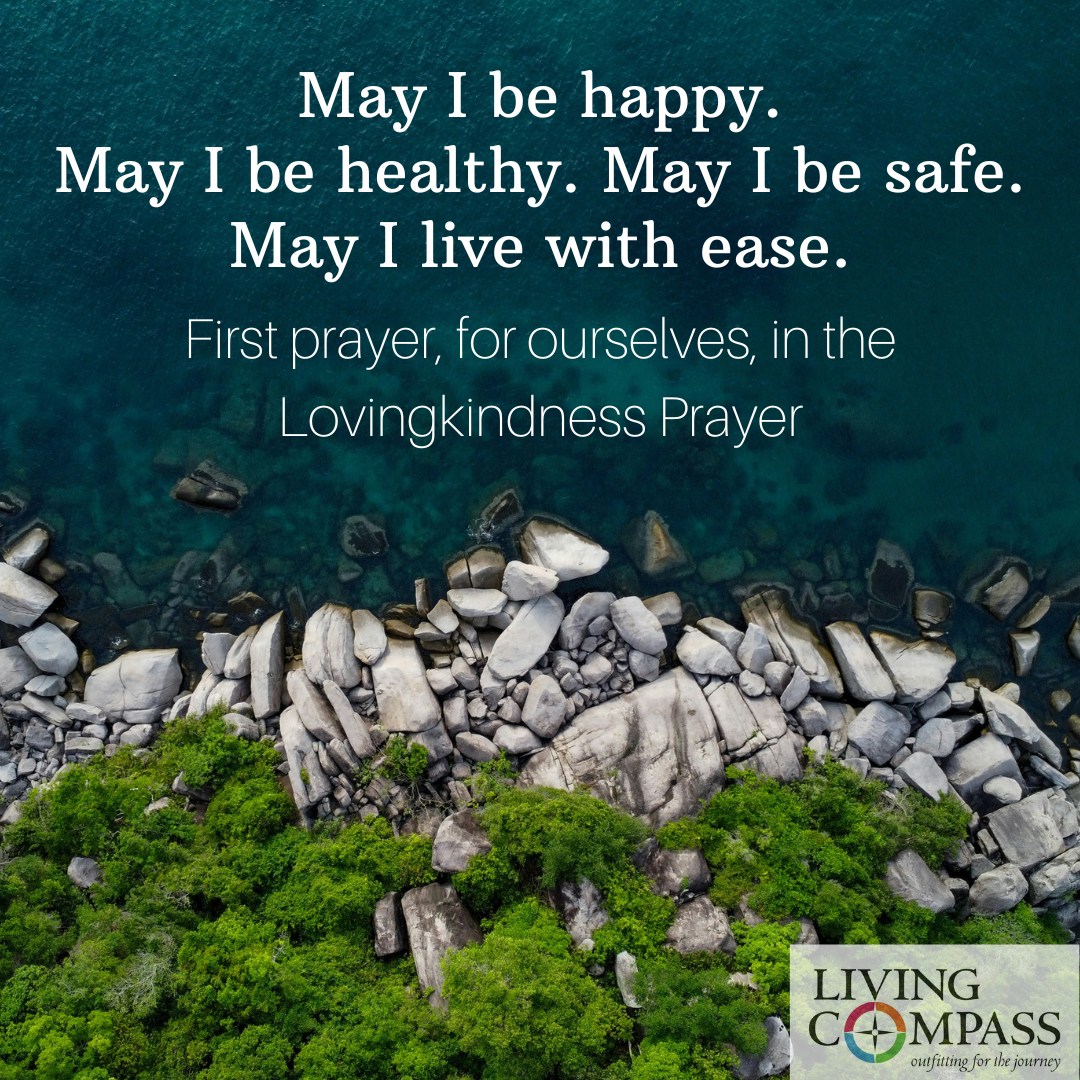
May I be happy. May I be healthy. May I be safe. May I live with ease.
- First prayer, for ourselves, in the Lovingkindness Prayer
It can seem daunting to love those who are not like us, who may have, in fact, caused us hurt or harm. When we encounter the scriptural call to love our neighbor, we may wonder how to move from obligation to genuine care. The Lovingkindness Prayer offers a contemplative practice for cultivating authentic compassion—first for ourselves, then for those we love, and eventually for all beings, including those we find difficult.
This ancient prayer practice helps us embody what we’re called to be: people who extend God’s love outward in ever-widening circles. At each stage of the practice, we offer loving wishes for well-being, peace, and freedom from suffering.
What makes this practice transformative is its gradual nature. We don’t begin by forcing ourselves to love those who are challenging. Instead, we start where love flows naturally—toward ourselves and those dear to us—and slowly expand our capacity for compassion. Over time, this practice softens our hearts, trains us to notice and nurture connection, and helps us see even challenging people through the lens of shared humanity.
The Lovingkindness Prayer reminds us that God’s love is always present and available, that there’s no “right” way to practice, and that whatever arises—comfort or resistance, warmth or numbness—can be held and honored within God’s loving embrace. As we practice extending lovingkindness, we participate in the healing work of creating a world where all beings are seen, valued, and held in love.
Making It Personal: Try the Lovingkindness Prayer practice this week. Notice what arises as you extend compassion to yourself, loved ones, and those you find difficult. How does this practice expand your capacity to love your neighbor?